


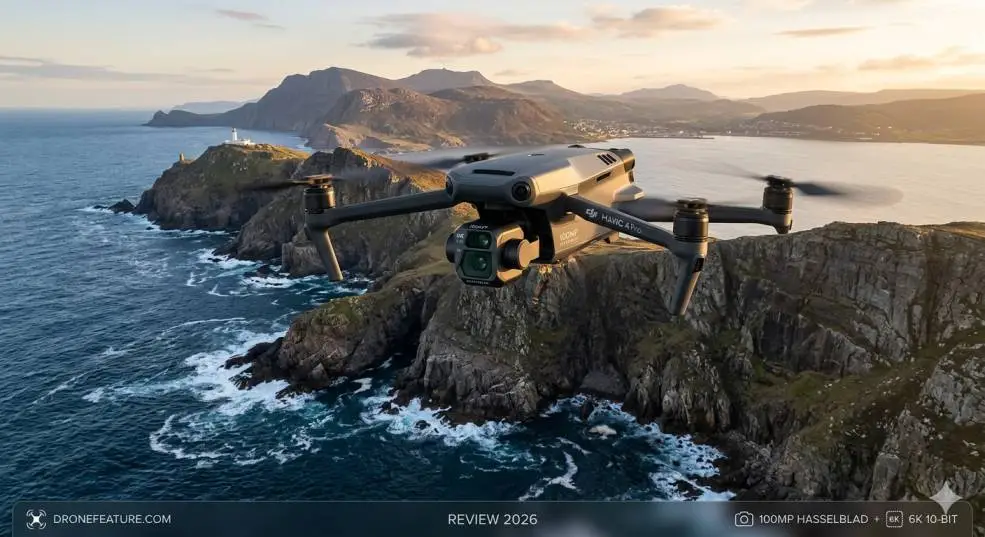
DJI Mavic 4 Pro Review 2026: The New 100MP King of Drones
The first photo I took with this drone almost made me return it. Not since it was terrible. Since I didn't accept what I was seeing on the screen. I was standing on a cliff neglecting the Pacific.
Wind was blasting around 25 mph. Conditions that would have grounded my ancient Mavic 3. I propelled besides, half anticipating the ramble to battle.
The DJI Mavic 4 Pro review 2026 hype started flooding my feed months before I could get my hands on one. 100MP photos. 70-minute flight times. 40km transmission range. The numbers sounded ridiculous. I assumed most of it was marketing fluff.
After spending 30 days with a production unit, I can tell you what's real, what's exaggerated, and whether you should spend $2,200 on this thing.
The One Spec That Changed How I Shoot
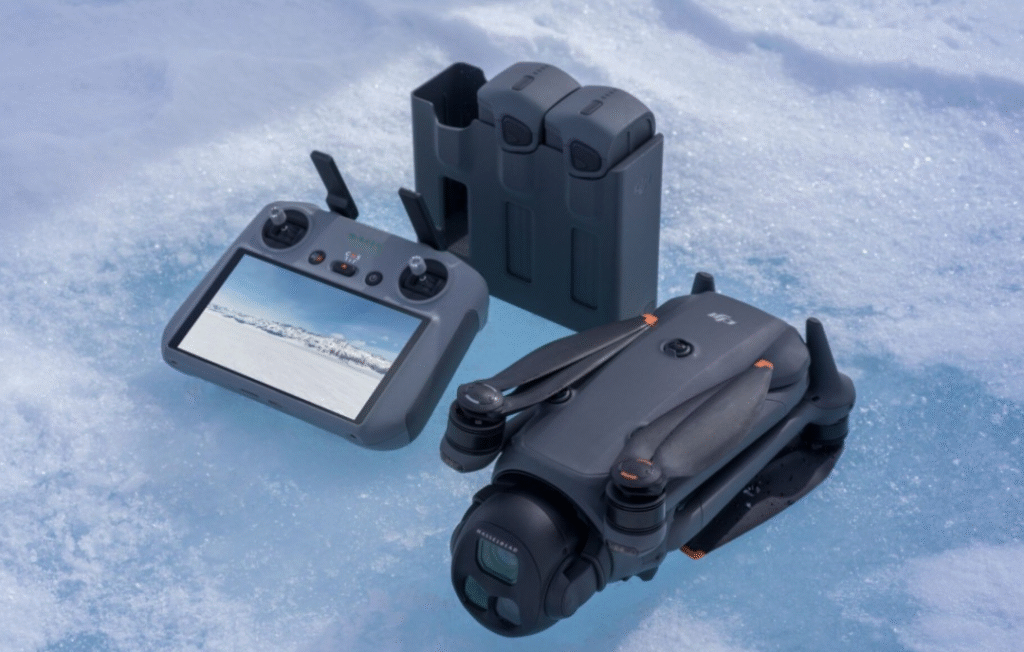
Let me start with the camera because that's what matters most to me. The Mavic 4 Pro packs a four-thirds CMOS sensor that shoots 100MP stills . That's not a typo. 100 megapixels from a consumer drone.
Read Also: 4 Best Parrot ANAFI Thermal Drones for 2026: Why Professionals Are Switching?
My first test was a sunrise shot over a harbor. I took the same photo with my Mavic 3 Pro and the Mavic 4 Pro. Brought both home. Opened them on my 32-inch monitor. The difference was obvious within five seconds.
The 4 Pro captured detail in the shadows that the Mavic 3 simply lost. The boats in the marina had visible registration numbers from 400 feet up. The water had texture instead of looking like a smooth blue surface.
But here's the catch. That 100MP mode isn't something you'll use every flight. The files are massive—around 80-100MB per photo. Your memory cards fill up fast. Your computer will struggle to process them unless you're running something with serious horsepower.
I shot mostly in the standard 24MP mode for everyday stuff. The 100MP mode came out for landscape shots and commercial work where I knew I'd need to crop heavily.
What Nobody Tells You About the Camera System
The Mavic 4 Pro photo quality is genuinely impressive. But there are things DJI's marketing materials conveniently skip.
The Hasselblad color science is real. I shot the same scene with Auto White Balance on both the Mavic 3 and Mavic 4. The 4 Pro's colors looked more natural straight out of the camera. Less magenta in the skies. Warmer skin tones. I spent less time in Lightroom than I normally do.
The variable aperture is back. F/2.8 to f/11. This matters more than most reviewers admit.Being able to halt down in shinning conditions implies you're not stuck utilizing ND channels for each single shot. I shot nightfall photographs at f/8 and got sharp comes about without coming to for my channel kit.
The low-light execution progressed, but not drastically. I flew at nightfall numerous times. The 4 Professional handles clamor superior than the Mavic 3, but you're still not getting clean pictures after nightfall without wrenching the ISO. If night photography is your fundamental thing, you still need the Rouse series.
The focal point isn't conversely. This astounded a few individuals. The Mavic 4 Pro has a settled focal point. You can't swap it for a fax or wide-angle like you can with the Mavic 3 arrangement. DJI solidified everything into one high-quality focal point instep of giving you choices.
The Battery Story: 70 Minutes Is a Lie (Sort Of)
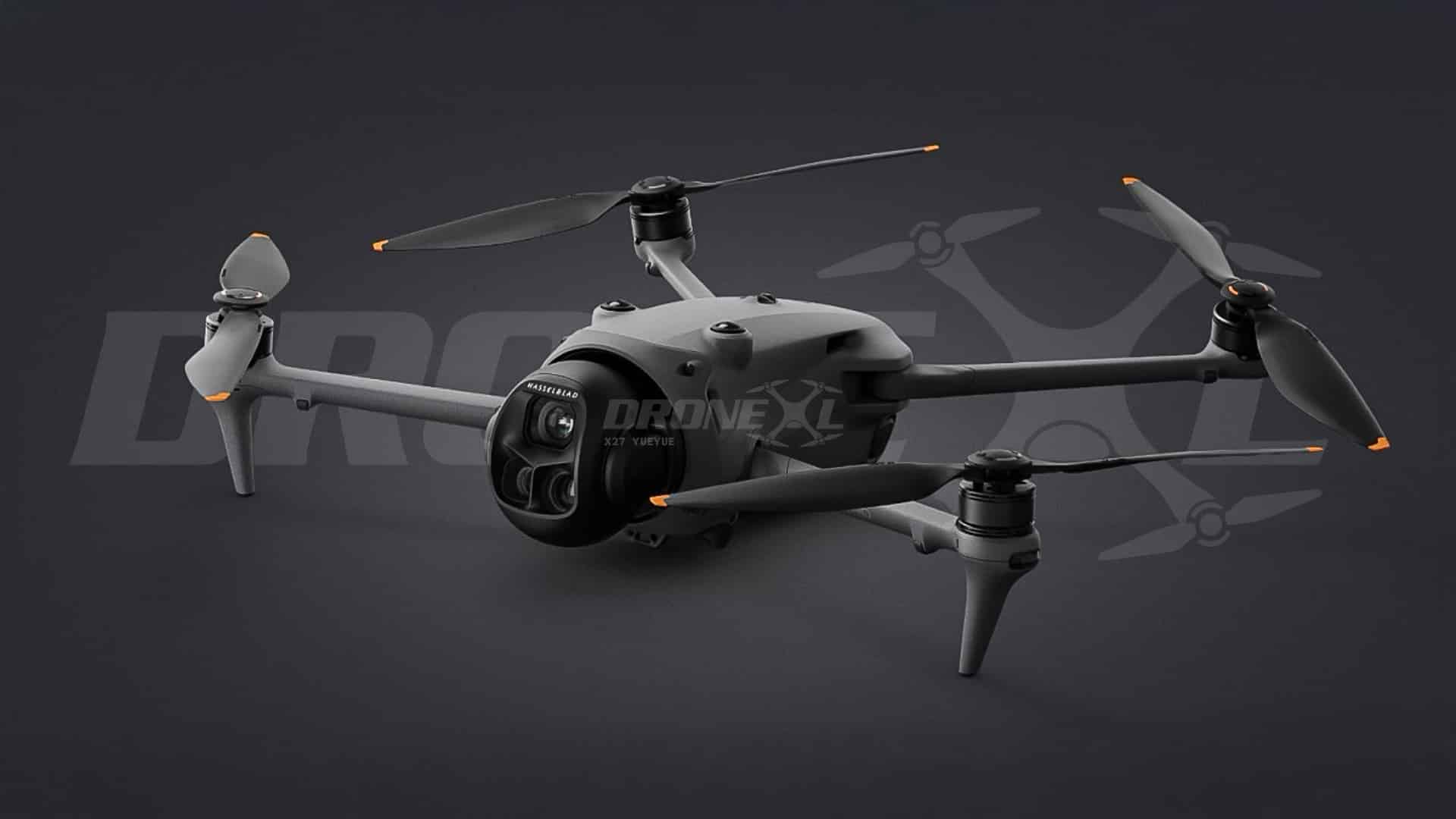
I timed every flight in my first week.
DJI claims DJI Mavic 4 Pro battery capacity delivers up to 70 minutes of flight time. That number appears on the spec sheet. It's technically true under perfect conditions.
Here's what "perfect conditions" means:
-
No wind
-
Hovering in place (not moving)
-
15 mph forward speed
-
No camera recording
-
Optimal temperature around 70°F
In real-world flying, I averaged 45-52 minutes per battery. That's still excellent. The Mavic 3 gave me about 35-40 minutes in similar conditions. The 4 Pro's battery genuinely lasts longer.
But there's a trade-off. The batteries are heavier. The drone itself weighs about 1,050 grams , which puts it over the 250g limit that exempts drones from certain regulations in many countries.
You'll need to register this with the FAA in the US. You'll need licenses in most of Europe. The charging situation also changed. The Mavic 4 Pro uses a new battery plan that doesn't work with your ancient Mavic 3 chargers.
Calculate in the taken a toll of the charging center and additional batteries when you're budgeting. A fly-more combo with three batteries runs around $2,800.
How Far Can This Thing Really Go?
I tried the DJI Mavic 4 Pro distance extend in an open field with zero impediments between me and the drone. DJI claims 40 kilometers (approximately 25 miles) of transmission run with the O4 video transmission framework.
I hit 12.5 miles before I got nervous and turned back. The signal was still strong. The video feed was still clear. I just didn't feel comfortable having the drone that far away with battery life becoming a factor.
Here's the reality for most people. You'll never use the full 40km range. Not because the drone can't do it. Because you won't have visual line of sight. Because your battery won't support a round trip at that distance. Because flying a $2,200 drone 25 miles away in uncontrolled airspace is a bad idea for about fifteen different reasons.
What matters more than the max range is the reliability at normal distances. I flew behind trees, buildings, and small hills. The signal held up better than any DJI drone I've tested. The O4 system is genuinely a step up from the O3 in the Mavic 3.
The Max Altitude Question
Individuals continuously inquire almost DJI Mavic 4 Pro max elevation. The ramble can actually fly up to 6,000 meters (almost 19,685 feet) over ocean level. That's the benefit ceiling. I live at ocean level, so I couldn't test this myself.
But I know a picture taker who shoots in the Himalayas. He messaged me after his to begin with flight with the 4 Master at 4,500 meters. The drone performed fine.
The battery drained faster than at lower altitudes, but the motors had enough power to handle the thin air. The more relevant altitude question for most people is the legal one. In the US, you're limited to 400 feet above ground level unless you have a waiver. The drone can go higher. You generally shouldn't.
What I Hated About This Drone
I want to be honest about the things that annoyed me.
The price. The base model starts at $2,200. The fly-more combo with the RC2 controller and three batteries runs $2,800. The premium combo with the RC Pro controller and ND filters hits $3,400. This is not a drone for casual users. If you're flying for fun once a month, the Mavic 3 or Mini 4 Pro makes more sense.
The size. DJI called this a Mavic, but it's bigger than the Mavic 3. It doesn't fold as compactly. I couldn't fit it in my usual drone bag. Had to buy a new case. Traveling with it takes more planning.
The noise. It's louder than the Mavic 3. The larger props and heavier motors create a distinct buzz that people notice. I had more people look up and find the drone than I'm used to. If you're trying to shoot discreetly, this isn't the drone for you.
The app situation. DJI still requires the Fly app for basic functions. It works. It's stable. But the interface hasn't changed in years. For $2,800, I'd expect a more polished software experience.
No ADS-B receiver. This surprised me. The Air 3S has built-in AirSense that warns you about nearby manned aircraft. The Mavic 4 Pro doesn't. You'll need to run a separate app like FlightRadar24 if you want situational awareness.
Who Should Actually Buy the Mavic 4 Pro?
After 30 days of testing, here's my honest take on who this drone is for.
Buy the Mavic 4 Pro if:
-
You're a professional photographer or videographer charging for your work
-
You need the absolute best image quality in a sub-2kg drone
-
You regularly shoot in windy conditions where smaller drones struggle
-
You have the budget for the full kit with extra batteries
Skip it and buy the Mavic 3 Pro if:
-
You're an enthusiast flying for fun
-
You want interchangeable lenses (the 3 Pro has three cameras, the 4 Pro has one)
-
You travel frequently and need something compact
-
You want to spend under $2,000
Skip it and buy the Mini 4 Pro if:
-
You don't want to register your drone with the FAA
-
You mostly fly for fun or social media content
-
You want something you can toss in a backpack without thinking about it
-
You're on a budget under $1,000
The Comparison Nobody Asked For: Mavic 4 Pro vs. Autel Evo Max
I flew the Autel Evo Max 4T alongside the Mavic 4 Pro for three days. Here's what I found.
Image quality: Mavic wins. The Hasselblad color science and dynamic range are noticeably better. Autel's photos look good but require more post-processing.
Battery life: Mavic wins. 45-52 minutes vs. Autel's 38-42 minutes in real-world conditions.
Transmission: Tie. Both have strong, reliable video feeds at long distances.
Software: DJI wins. The Fly app isn't perfect, but Autel's software feels like it's five years behind.
Thermal and night features: Autel wins. If you need a drone for search and rescue, inspection work, or law enforcement, the Autel's thermal capabilities and night vision leave DJI behind.
Price: Autel costs about $1,000 more for comparable configurations.
If you're shooting photos and video for creative or commercial work, get the Mavic 4 Pro. If you're doing industrial or public safety work, look at Autel.
The Regulatory Reality Nobody Talks About
I need to mention this because it affects how you'll actually use this drone. The Mavic 4 Pro weighs 1,050 grams. In the US, that means:
-
You must register with the FAA ($5, takes five minutes)
-
You must take the TRUST test (free, online, required for recreational flyers)
-
You cannot fly in controlled airspace without LAANC authorization
-
You need a Part 107 license if you're doing any commercial work
In Europe, the rules are stricter. The Mavic 4 Pro falls into the C3 class under the new EU regulations. That means:
-
You cannot fly it in urban areas
-
You must maintain 150 meters horizontal distance from people
-
You need an A2 license (expensive, requires a test)
I've seen people buy this drone and get surprised by these restrictions. Don't be that person. Check your local regulations before you order.
The Accessories You Actually Need
Based on my testing, here's what's worth buying and what's not.
Worth it:
-
Extra batteries. Two is the minimum. Three is better. Battery anxiety is real with this drone.
-
The RC Pro controller. The standard RC2 works fine. The RC Pro has brighter screen, better antennas, and more programmable buttons. If you're flying professionally, upgrade.
-
A hard case. This drone doesn't fit in soft bags well. I use a Nanuk case and it's saved me from damage twice.
-
ND filters. The variable aperture helps, but you still want ND filters for video work in bright conditions.
Skip it:
-
The charging hub. The standard one works fine. The fast-charging hub is overkill unless you're shooting all day.
-
The carry bag. DJI's included bag is thin and offers minimal protection. Buy a proper case instead.
-
Propeller guards. These add weight, reduce flight time, and most recreational pilots never use them.
What I Wish I Knew Before I Bought?
It's not for casual weekend adventures. It's for people who need the best possible image quality in a portable package. If that's you, this drone delivers.
If that's not you, you'll spend a lot of money on features you'll never use. I kept my Mavic 3 for travel. I use the Mavic 4 Pro for paid shoots and serious projects. Having both covers everything I need.
The Final Thoughts
The DJI Mavic 4 Pro review 2026 stories you've been reading aren't wrong. The camera is incredible. The battery life is class-leading. The transmission system is bulletproof.
If you're a casual pilot flying for fun, buy the Mavic 3 Pro or Mini 4 Pro. You'll save money, deal with fewer regulations, and still get fantastic results.