



Grounding Innovation: Assessing the Commercial Impact of the DJI Drone Ban FCC Vote
I have been tracking the drone industry for seven years. I have seen regulations come and go. But what happened in December 2025 is different.
The FCC voted to add all foreign-made drones to its "Covered List" just days before Christmas . Most people missed the news. They were too busy with holiday plans.
But drone operators felt it immediately.
If you own a DJI drone or plan to buy one, you need to understand what changed. The DJI drone ban FCC vote did not make your current drone illegal. That is the first thing I want you to know.
But it did shut the door on new models. And that changes everything for anyone who relies on these machines for work or fun.
Let me break down exactly what happened, what it costs, and what you should do next.
The December 2025 Vote: What Actually Happened?
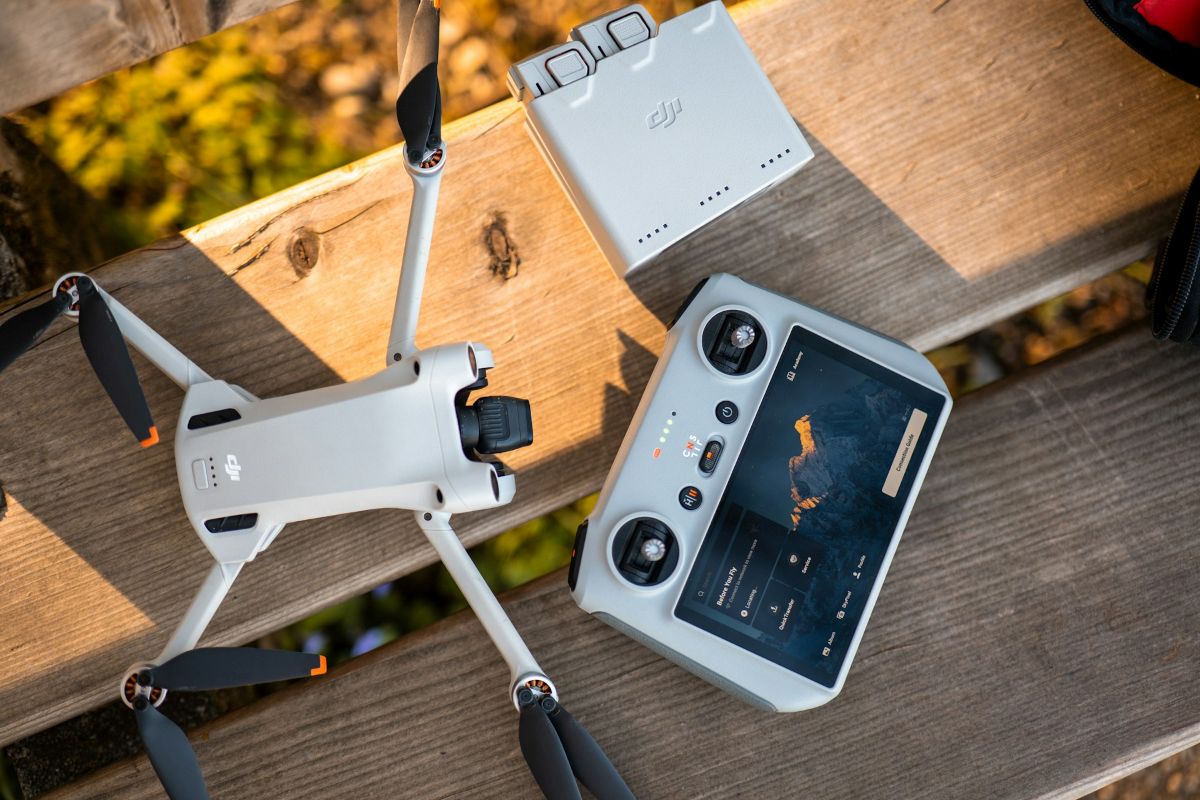
The FCC did not hold a new vote in 2026. The critical vote happened on December 22, 2025. That is when the FCC's Public Safety and Homeland Security Bureau added all foreign-produced uncrewed aircraft systems (UAS) to the Covered List.
Read Also: Choose the Best Dji Mavic 2 Enterprise Advanced Thermal Drone
Here is the trigger.
The 2024 National Defense Authorization Act gave US security agencies one year to audit DJI. The deadline was December 23, 2025 . If no agency completed a security review by that date, DJI would automatically land on the Covered List.
No US agency volunteered to do the audit.
So on December 23, 2025, the FCC added DJI and Autel to the list . The ban applies to "all communications and video surveillance equipment" produced by these companies. That includes drones, cameras, gimbals, and even microphones.
What this means in plain English:
-
New DJI drone models cannot enter the US market
-
Existing models already approved remain legal to sell and fly
-
Parts for existing drones are still available
-
The ban does not take away drones you already own
I have read the FCC's fact sheet twice. The agency confirms these additions are on a "going forward basis" . Your Mini 5 Pro is safe. For now.
The Real Cost: $1.56 Billion in Losses
Numbers tell the real story here.
DJI filed a legal brief in April 2026. The company told the Ninth Circuit Court of Appeals that the FCC ban could cost it $1.56 billion in 2026 alone.
Here is the breakdown:
-
$700 million from 14 existing products that lost their FCC authorization
-
$860 million from 25 new products that cannot launch in the US this year
That is not pocket change. That is a serious financial hit for any company.
But here is what the financial numbers do not show. The real damage is to American businesses and government agencies that rely on DJI technology.
More than 80 percent of US law enforcement agencies that use drones fly DJI equipment . Over 90 percent of the construction drone market belongs to DJI. First responders, energy companies, and utilities depend on these machines for critical work.
The Legal Fight: DJI Takes the FCC to Court
DJI did not accept this quietly.
On February 20, 2026, the company filed a lawsuit in the US Court of Appeals for the Ninth Circuit . They hired serious legal firepower. A former Solicitor General of the United States. A former chief of the FCC's own Enforcement Bureau .
DJI's main arguments:
The FCC made its decision with no evidence. The agency did not provide "any substantive evidence that its products threaten US national security". DJI also argues the FCC violated the Fifth Amendment's due process clause. The company never got "the chance to provide information to address or refute any concerns".
The FCC moved to dismiss the lawsuit. They claim the challenge is "premature" because the Commission has not issued a final order.
DJI disagrees. Their brief says the ban "is a final decision for purposes of the relevant jurisdictional statutes because it immediately prohibits DJI from marketing and importing its products, with no further agency action needed".
Accepting the FCC's position "would defy common sense and raise serious constitutional concerns," DJI argues.
The court has not ruled yet. Legal experts expect a decision sometime in late 2026 or early 2027.
Exemptions Exist: But Not for DJI
Here is something that might surprise you.
The FCC has already granted exemptions to the ban. Four drone models received approval in March 2026:
-
SiFly Aviation Q12 (US-based)
-
Mobilicom SkyHopper Series (Israeli)
-
ScoutDI Scout 137 (Norwegian)
-
Verge X1 (US-based)
None of these are from Chinese manufacturers.
The exemption process works like this. A manufacturer submits to a Department of Defense security review. If the DoD determines the system poses "no unacceptable risk," the FCC grants an exemption.
The FCC also exempted drones on the DoD's "Blue UAS" cleared list in January 2026. Some of these come from Denmark, France, Norway, Switzerland, and Taiwan.
The problem: No consumer drone qualifies for these exemptions. The Blue UAS list is for military and government use only. And no Chinese-owned company has received a DoD "no-risk" determination.
For practical purposes, the exemption pathway does not exist for DJI or its customers.
Should You Still Buy a DJI Drone Right Now?
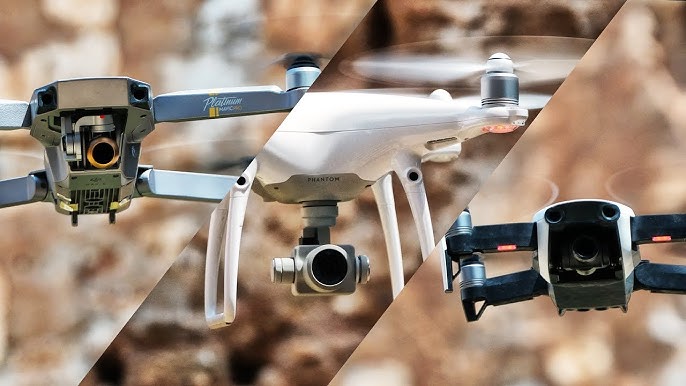
I get this question every day. Here is my honest answer.
Buy a DJI drone if:
-
You need a drone for a specific project in the next 12 months
-
You are comfortable with limited long-term support
-
You can find an already-approved model in stock
Do not buy a DJI drone if:
-
You want guaranteed support for 3+ years
-
Your business depends on uninterrupted access to replacement parts
-
You cannot afford to switch platforms if the ban expands
The PCMag team tested and recommends the DJI Mini 5 Pro, Mavic 4 Pro, and Neo 2. These models received FCC approval before the December deadline. They remain legal to buy, sell, and fly.
But availability is spotty. DJI products have faced "sporadic retail availability" since before the ban. Customs delays are common . You might need patience to find the model you want.
For professional users, options exist. The Parrot Anafi USA, Hylio Ares, and Teal Black Widow are made in America. But these are serious industrial drones. They cost thousands of dollars. They are not for hobbyists.
How the Ban Affects Different Users?
Hobbyists and content creators:
Your current drone keeps working. You can still buy batteries and replacement parts. But future models will not come to the US. If you want a new DJI drone, buy it now or wait for the court case to resolve.
Real estate and wedding photographers:
This hurts. Many of you rely on DJI's affordable, capable drones for daily work. The lack of new models means you will eventually fly outdated equipment. Professional users should start researching alternatives. The switch will cost more money and take time to learn.
First responders and law enforcement:
You face the biggest challenge. Over 80 percent of your drone fleets are DJI. The ban blocks new purchases. Switching to approved alternatives costs significantly more. One Florida department paid 25,000perdroneversus25,000perdroneversus5,000. Budgets will feel this.
Construction and surveying:
Your work requires survey-grade accuracy. DJI solved "some really challenging parts" of drone technology that competitors have not matched.
Non-DJI alternatives "are a lot more expensive and heavier; they've got fragmented software stacks, and they just don't have the same kind of DJI level of polish" according to industry expert Colin Guinn.
Real-Time Developments You Should Know
March 2026: The FCC issued the first Conditional Approvals. These allow certain foreign-made drones to receive equipment authorizations until December 31, 2026. The key requirement? An "onshoring plan" for foreign-produced products and components.
January 2026: The FCC quietly revoked certain DJI and Autel authorizations. Telecommunications certification bodies received notice. The FCC has not publicly announced which specific devices lost approval.
April 2026: The comment period for DJI and Autel's agency filings ends April 6. Both companies are challenging their Covered List designations at the FCC.
Current status: The ban remains in effect. New DJI models cannot enter the US. Existing models are still available but face supply constraints.
The Market Response: A Buying Frenzy
When the FCC announced the ban, American consumers reacted immediately.
Retailers reported a surge in demand. Some buyers started stockpiling DJI drones ahead of supply disruptions.
The secondary market went crazy. Used DJI equipment prices jumped as much as 200 percent on sites like eBay.
One US drone经销商 told reporters that weekly DJI sales jumped more than 800 percent following the announcement.
I watched this happen in real time. Drone forums filled with panic. People who had never considered buying a drone suddenly purchased two or three.
Was that smart? Maybe. Prices on existing models are likely to rise as库存 decreases. But buying out of fear rarely works out well.
What the Oregon Department of Aviation Found?
The Oregon Department of Aviation published a white paper on February 28, 2026. They surveyed 25 states. The findings are sobering.
The FCC restrictions triggered "widespread disruption across the country." Survey, mapping, and construction workflows faced interruptions. Near-term funding gaps emerged for procuring compliant replacements.
This is not a niche problem. Every state that responded reported negative impacts. Fire departments could not replace aging drones. Survey crews lost access to the equipment they trained on. Public safety agencies faced budget crises.
The paper concluded that the ban created real operational harm with no clear solution in sight.
Will There Be a Resolution?
Two paths forward exist.
Path one: The courts
DJI's lawsuit could succeed. If the court finds the FCC violated due process, the ban could be overturned or sent back for review. That process takes months or years. Even a favorable ruling might not restore market access immediately .
Path two: Legislation
Congress could intervene. Lawmakers could require a different review process. But given the political climate, that seems unlikely. The NDAA language passed with bipartisan support.
Most realistic outcome: The ban stays in place for 2026 and 2027. Some exemptions will trickle out for non-Chinese manufacturers. American consumers will pay higher prices for fewer options.
Practical Advice for Different Situations
You own a DJI drone now:
Keep flying it. Buy spare batteries and props while they are available. Register your equipment with DJI for warranty purposes. Do not assume support will last forever.
You want to buy your first drone:
Buy an approved DJI model if you can find one. The Mini 5 Pro is excellent for beginners. But go in with open eyes. You are buying a device with an uncertain support future.
You run a business that uses drones:
Diversify now. Buy a mix of DJI and non-DJI equipment. Budget for higher costs. Train staff on multiple platforms. Your operations cannot depend on a single manufacturer anymore.
You fly for public safety:
Work with your procurement team. Apply for grants. The federal government may need to fund the transition. Your current DJI fleet will work for now. But you need a replacement plan for the next three to five years.
The Final Thoughts
The DJI drone ban FCC vote changed the American drone market overnight. DJI faces $1.56 billion in potential losses. US consumers face fewer choices and higher prices. First responders and construction crews face operational disruptions.
Your existing DJI drone remains legal. You can still buy parts. Approved models are still for sale. But the door on new DJI technology is closed. And no clear timeline exists for reopening it.
If you need a drone for the next year, buy an approved DJI model now. If you need guaranteed support for five years, start researching alternatives. They cost more. They work less smoothly. But they are your only option.
The court case continues. More exemptions may come. But for now, the American drone market looks very different than it did in 2025.