


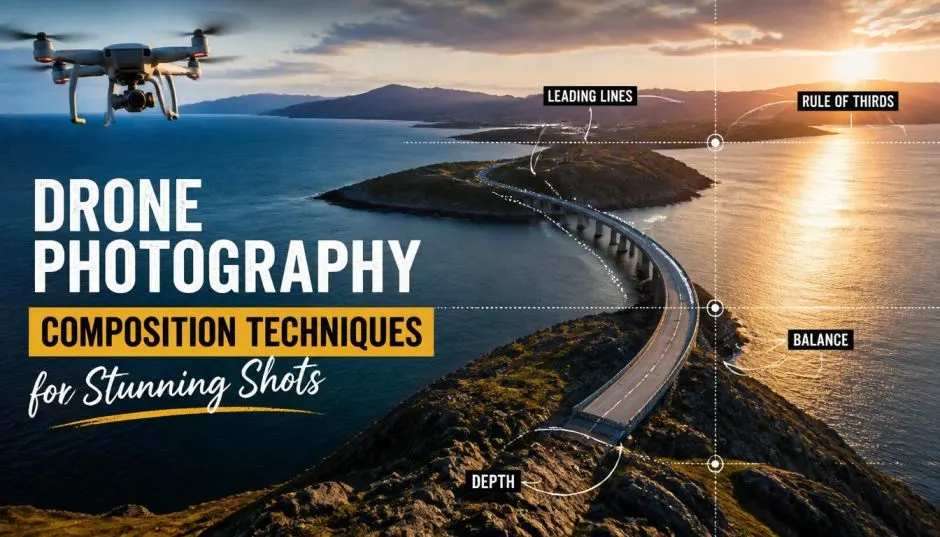
Drone Photography Composition Techniques for Stunning Shots
I will never forget the first time I flew a drone. I was so excited to get it in the air that I completely forgot about composition. I just pointed the camera down and clicked. The photos were boring. Flat. Nothing special. I had a bird's eye view but no idea how to use it.
That experience taught me something important. A drone is just a tool. The real magic comes from understanding composition. You need to know how to frame a shot from above. You need to see patterns that others miss. You need to work with light and shadow in ways that ground photography cannot match.
Let me share what I have learned. These drone photography composition techniques will transform your aerial images.
What Is Drone Photography Composition Techniques?
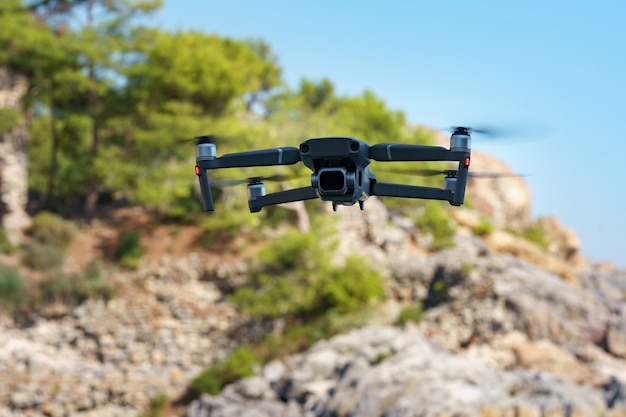
Most beginners think drone photography is about going as high as possible. That is a mistake. The best shots often come from flying low and slow.
Read Also: Twilight Drone Cinematography Trends And Night Aerial Shots
I learned this from experience. My early photos were taken at maximum altitude. They looked like Google Earth screenshots. Then I started experimenting with lower heights. I flew at 10-20 meters instead of 100.
The difference was dramatic. I could see details. I could find compositions. Think of your drone as a mobile remote-controlled camera, not just an aerial platform. It can access areas inaccessible by foot.
Use Tripod or Cine mode if your drone has it. This reduces maximum speed and gives you finer control. You can maneuver in a slower, more considered way. Position the drone exactly where you want it.
Patterns and Rhythms in the Landscape
This is where drone photography truly shines. From above, the world reveals patterns you never knew existed.
Rows of wheat. Farm fields. River courses. Coastlines. These all create visual rhythms that work beautifully in photographs . Some patterns are obvious. Others require a good eye and patience.
I spend time on Google Maps before any shoot. I look for interesting formations from above . The satellite view shows you what the landscape looks like from the air. That gives you a head start when you actually fly.
A river that appears chaotic from the ground follows clear patterns from above. The branches spreading across valley floors resemble calligraphic lines.
Finding Your Unique Style
Award-winning aerial photographer Petra Leary gave me this advice. Find your own style. Do not just replicate what others are doing.
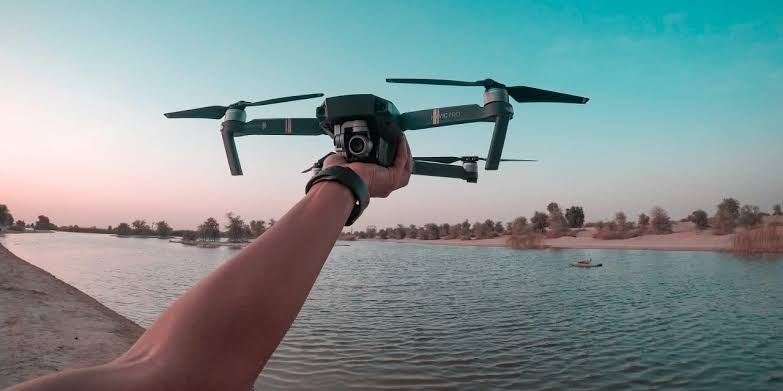
Leary's background is in graphic design. That shows in her work. She photographs sports courts from above, emphasizing symmetry and geometric shapes. She does not play basketball. She just loves the graphic element.
Apply this to your own work. What do you find visually interesting? What patterns catch your eye? Develop your eye by studying other photographers' work, then push yourself to see things differently.
The Rule of Thirds and Leading Lines
Strong composition separates great drone photography from average shots. Two principles matter most.
You Must Also Like: Is It Drone Mapping Software for Construction Tech?
The rule of thirds. Place points of interest off-center . Most drones have a grid overlay. Use it. Position your subject at the intersections of the grid lines. That creates more dynamic images.
Leading lines. Roads, rivers, fences, and coastlines guide the viewer's eye through the frame. They add depth and direction. From above, these lines become even more pronounced.
Light and Weather Considerations
Aerial photography is no different from other forms of image-making. The photographic fundamentals still matter.
Golden hour. Shoot shortly after sunrise or before sunset. The light is soft and warm. Shadows are long and interesting. Midday sun produces harsh contrasts and flat images.
Cloudy conditions. Overcast days minimize reflections. Patterns stand out more clearly . Fog can look amazing in drone shots.
Wind. Check wind forecasts before you fly. Drones are not easily handled in high winds . Shoot on still days whenever possible.
Abstract Drone Photography
This genre pursues artistic rather than documentary intentions. The world is not shown as we know it, but as it appears from a distance.
Three-dimensional structures transform into two-dimensional paintings. Lines, colors, and textures become the subject. What may appear chaotic from the ground reveals an order from the air.
Key principles:
-
Choose the right height. If the perspective is too high, the shot becomes too documentary. If too low, the subject does not reveal its full structure.
-
Midday light works well here. It enhances colors and reduces hard shadows.
-
RAW images are standard. They give you flexibility during post-processing.
Planning Apps
Good planning saves battery life and maximizes shooting time. Here are the best photography planning apps.
The Photographer's Ephemeris. Shows you how light falls on terrain. You can see where the sun or moon will be and how they will interact with mountains, valleys, or buildings.
Light Pollution Map. Essential for night photography. Shows a worldwide map of sky brightness. Finds the darkest spots near your location.
Camera Settings for Drone Photography
Drone cameras are generally inferior to full-frame ground cameras. But you can maximize quality with the right settings.
Shoot RAW. This gives you more flexibility when editing. It preserves detail in both highlights and shadows.
Set shutter speed and ISO carefully. Boosting shutter speed leads to sharper shots. But keep ISO as low as possible to avoid noise. Strike a careful balance.
Common Mistakes to Avoid
Going too high. The best shots often come from low altitudes. Do not assume maximum height equals maximum quality.
Ignoring composition. Aerial views are exciting. But without good composition, they remain average.
Forgetting safety. Always be aware of your surroundings. Keep the drone in line of sight. Respect no-fly zones. Check local regulations before you fly.
The Final Thoughts
Drone photography composition takes practice. Start with the basics. Fly low and slow. Look for patterns. Use leading lines. Pay attention to light.
Develop your own style. Study other photographers but do not copy them. Find what makes your perspective unique.
The sky is not the limit. It is your playground. Get out there and experiment.