


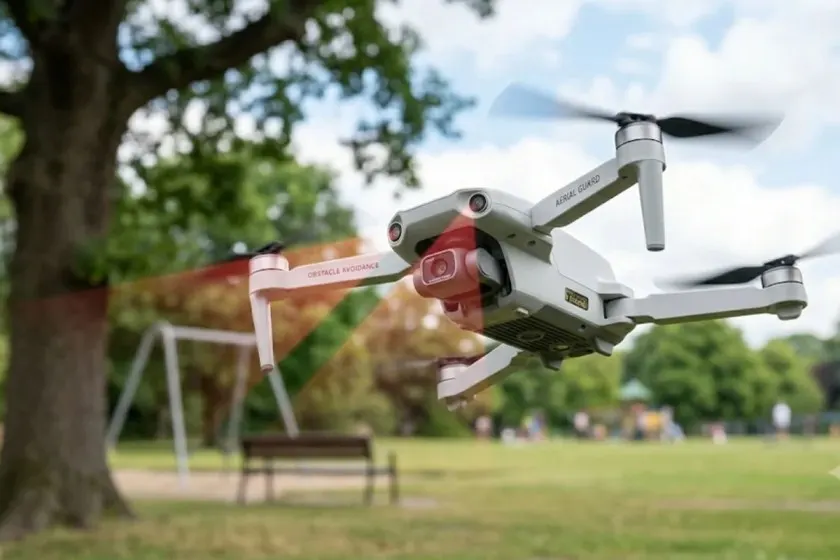
The Best Drone with Obstacle Avoidance to Stop You From Crashing
I’ve crashed a drone into a tree. It wasn’t dramatic just a sickening crunch, a rain of plastic propellers, and a $200 mistake. That was years ago, before obstacle avoidance became common.
Today, if you’re shopping for the best drone with obstacle avoidance under $500, you’re in a strange spot. The feature exists at this price, but it’s rarely good obstacle avoidance. Most budget drones stop when they see a wall. They don’t fly around it. That distinction matters more than any spec sheet lets on.
I’ve spent the last few weeks digging through owner reports, reviewer tests, and my own flights with sub-$500 models to figure out which drones actually protect your investment and which just slap “obstacle avoidance” on the box to sell you a flying camera that still finds the one branch you missed.
What Is the Best Drone with Obstacle Avoidance?
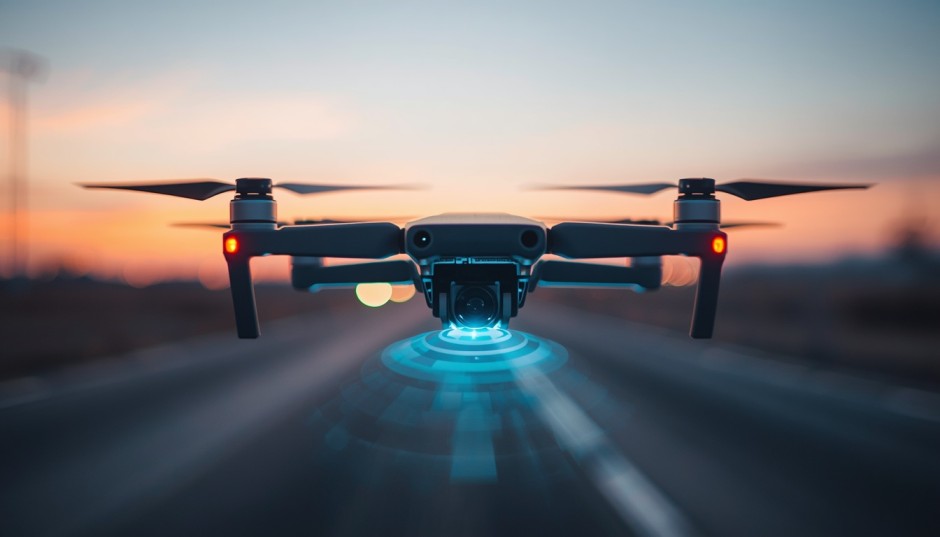
The Hard Truth About “Obstacle Avoidance” Under $500
Most drones at this price use basic infrared or single-direction sensors. They see what’s directly ahead. They do not see the tree branch creeping in from the side. They do not see the power line above.
Read Also: Snaptain P30 Drone Review: Specs Features And Verdict
The DJI Mini 4 Pro is the drone everyone points to when you say “obstacle avoidance.” It has omnidirectional sensing sensors looking forward, backward, sideways, up, and down.
Reviewers consistently call it the best sub-250g drone for safety. The problem? It launched at $759. You will not find it new for under $500 unless you catch a serious sale or buy used. So what do you do with a $500 ceiling?
You get honest about trade-offs. You either buy a drone with partial obstacle avoidance that actually works, or you stretch your budget slightly. I’ve flown both paths. Here’s what I found.
DJI Mini 4 Pro: The One Everyone Recommends (And Why It’s Probably Over Your Budget)
Let’s get this out of the way. If you can find a DJI Mini 4 Pro near $500 refurbished, on sale, or from a reputable reseller buy it. PCMag called it the best ultralight drone they’ve tested for all-around obstacle avoidance.
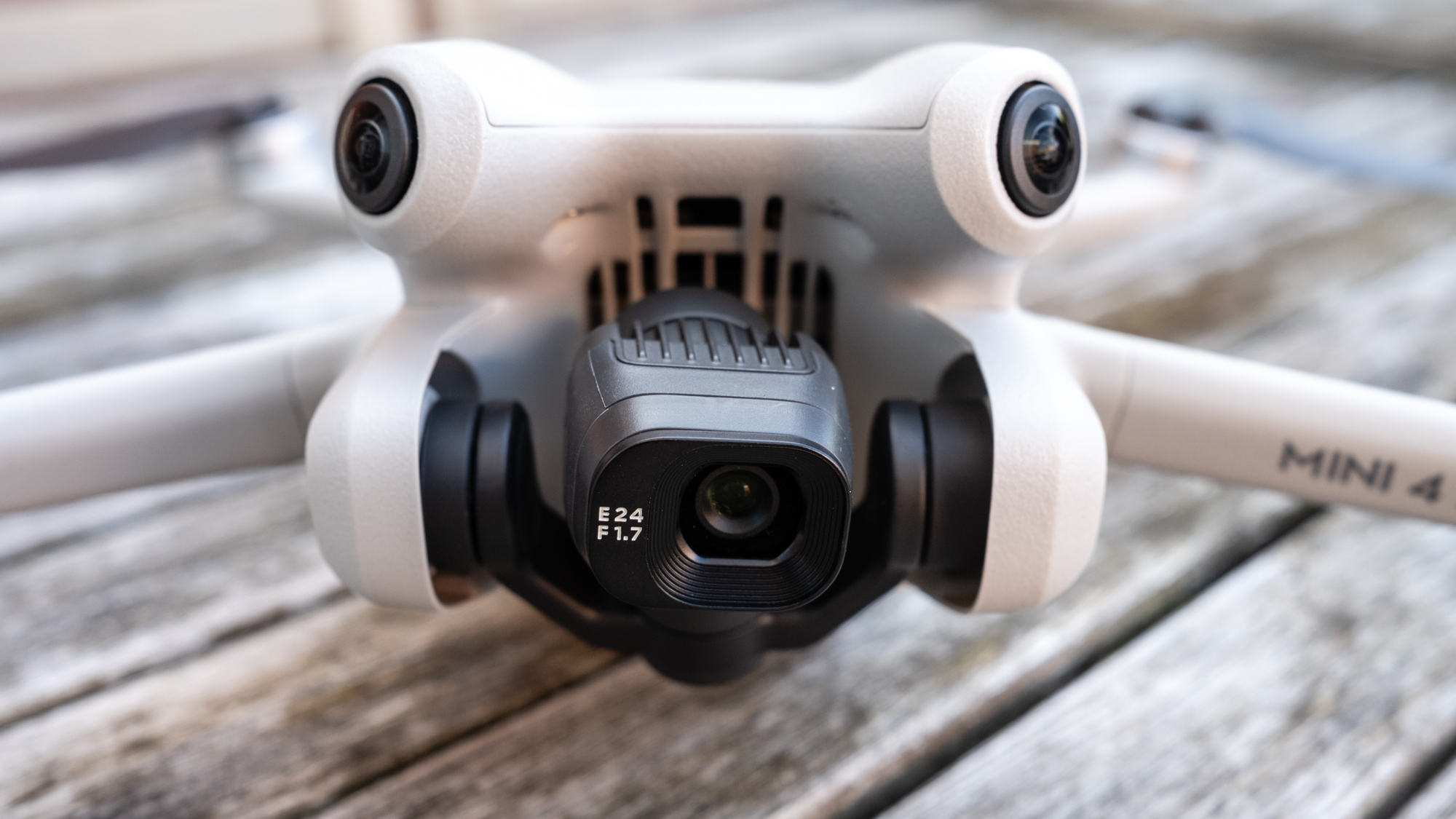
PetaPixel’s review roundup highlights its “comprehensive safety via omnidirectional obstacle sensing” as a defining strength.
But here’s what the marketing doesn’t tell you. In real-world tests, the Mini 4 Pro’s sensors struggle with thin branches and low light. One CHIP test flight ended with the drone stuck in a tree, requiring a manual rescue.
A verified owner on Idealo reported a crash when the drone approached branches, despite the sensors being active. The obstacle avoidance is genuinely good for a consumer drone. It is not magic.
Who it’s for: Someone who can stretch to $600-$700 and wants the safest sub-250g drone available. Who it’s not for: Anyone with a hard $500 ceiling who needs a new drone with a warranty.
DJI Lito 1: The Sub-$500 Wildcard
Here’s where things get interesting. A French deal site reported the DJI Lito 1 dropping to €288 (roughly $310) during a promotion. The specs sound almost too good for that price: omnidirectional obstacle detection, 4K video, 48MP photos, sub-249g weight.
You Must Also Like: DJI Avata 360 Spec Review: Did the 8K FPV Leaks Match Reality?
I haven’t flown the Lito 1 personally. But the specs suggest DJI is pushing real obstacle sensing down into the budget tier. The catch is availability and regional pricing. If you’re in the US, you may not find this model easily. If you’re in Europe, it’s worth hunting for.
My honest take: If the Lito 1 is available in your region at that price, it’s the most interesting budget option on paper. The omnidirectional sensing claim puts it ahead of every other sub-$500 drone I’ve researched. But I’d want to see independent crash tests before trusting it with a first flight near trees.
Potensic Atom 2: The Safe, Boring Choice (No Real Avoidance)
The Potensic Atom 2 sells for around $299. It shoots stable 4K30 video, weighs 249g, and includes a remote in the box . Reviewers consistently praise it as a reliable beginner drone.
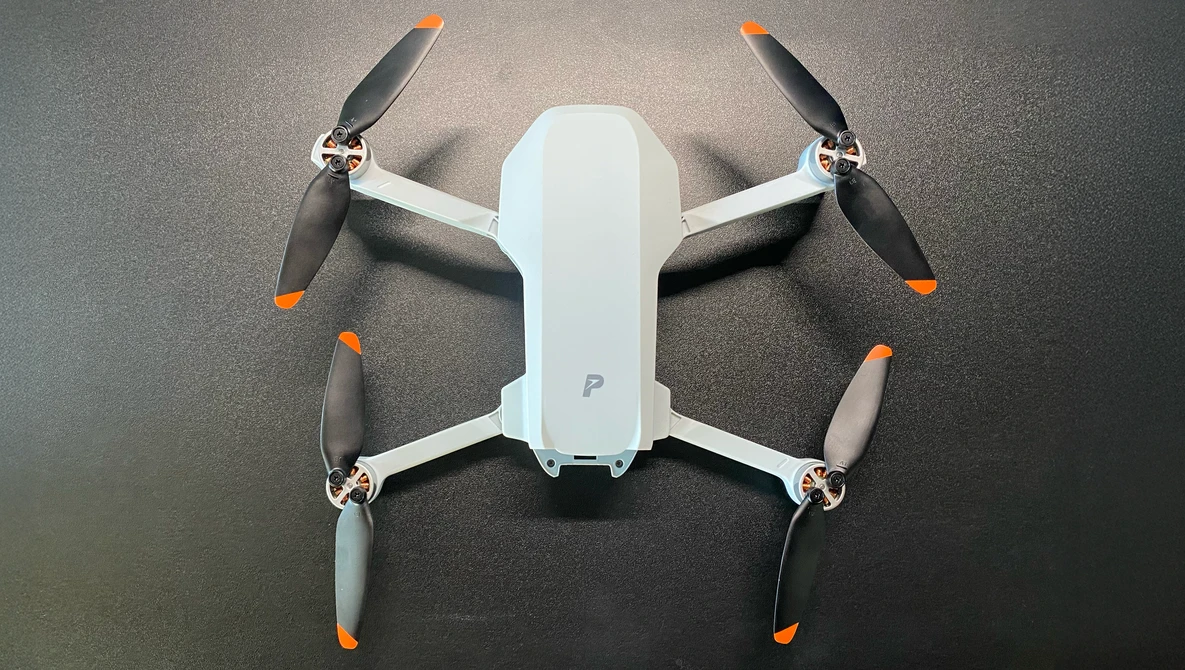
But here’s the thing. The Atom 2 does not have obstacle avoidance sensors. It has GPS stabilization and return-to-home . Those are safety features, but they won’t stop you from flying into a wall.
I’m including it because it’s the drone I’d buy if I had $300 and wanted zero surprises. It won’t save you from a crash. It will reliably come home if you lose signal or panic. For a first drone, that reliability matters more than a half-working sensor.
Who it’s for: Beginners who will fly in open fields and want a trustworthy camera drone. Who it’s not for: Anyone flying near obstacles.
What About the DJI Flip?
The DJI Flip is another option hovering near the $400-$500 range. It has forward and downward obstacle sensors. That means it sees what’s in front of it and what’s below it. It does not see sideways or upward.
PCMag’s review notes the Flip includes propeller guards, which genuinely help prevent the most common beginner crashes tipping over on landing or bumping a wall at low speed.
The forward sensor is a real safety net when you’re flying toward a subject. But if you drift sideways into a tree, the Flip won’t stop you.
My verdict: The Flip is a better choice than a drone with no sensors. It’s not a better choice than a Mini 4 Pro. At around $439, it sits in an awkward middle ground.
The Drone I’d Actually Buy With $500
If I had $500 today and wanted the best drone with obstacle avoidance, I’d do one of two things.
Option one: Buy a used or refurbished DJI Mini 4 Pro. The omnidirectional sensing is the real deal, even with its limitations. A refurbished unit from a reputable seller gets you flagship safety without the flagship price.
Option two: Buy a DJI Lito 1 if it’s available in my region. The omnidirectional sensing at that price is remarkable on paper. I’d fly it in an open field first, test the sensors deliberately against a fence or wall, and only then trust it near anything expensive.
What I would not do is buy a no-name drone from Amazon with “obstacle avoidance” in the title and a price under $200. PCMag’s reviewers explicitly warn against “lesser-known budget models” and name the Holy Stone HS360 as a shoddy starter they don’t recommend. Those drones often have sensors that work only in perfect lighting, only at slow speeds, or not at all.
The Safety Stuff Nobody Tells Beginners
Obstacle avoidance is not a license to fly recklessly. Every reviewer I read every single one—mentioned limitations. Thin branches. Low light. Glass. Power lines.
The Mini 4 Pro’s sensors failed to prevent a crash in one owner report. The CHIP tester had to manually extract the drone from a tree. These aren’t failures of the drone. They’re realities of sensor-based safety. Light doesn’t bounce off thin objects the way it bounces off walls.
Here’s what I do before trusting any obstacle avoidance system: I fly toward a wall at walking pace. I watch how close the drone gets before it stops. I repeat that in dim light. I never assume the drone will save me. I assume I’m the pilot, and the sensors are a backup.
That mindset has saved me more drones than any spec sheet.
Do You Need Obstacle Avoidance at All?
If you’re flying in open fields, above trees, or in wide parks, you don’t. A Potensic Atom 2 or a DJI Neo will serve you fine at a lower price. The Neo doesn’t have obstacle avoidance, but it has propeller guards and palm takeoff, which prevents a different kind of crash.
Obstacle avoidance matters when you fly near stuff. Trees. Buildings. People. If that’s your plan—and for most people buying a first drone, it is then spending for real sensors is worth it. A $200 repair bill or a lost drone costs more than the upgrade.
The Final Thoughts
Most beginner crashes don’t happen at 200 feet. They happen at 10 feet, sideways, into a fence or a bush, while you’re distracted by the screen. Forward-facing sensors won’t catch that. Omnidirectional sensors might.
The best drone with obstacle avoidance under $500 is whichever one you can actually afford that has sensors pointing in the direction you’re most likely to crash. For most people, that’s sideways and backward, because that’s where you’re not looking.
If you can’t stretch to a Mini 4 Pro or find a Lito 1, buy a reliable drone without sensors and learn to fly conservatively. That’s not a compromise. That’s how most of us learned anyway.