


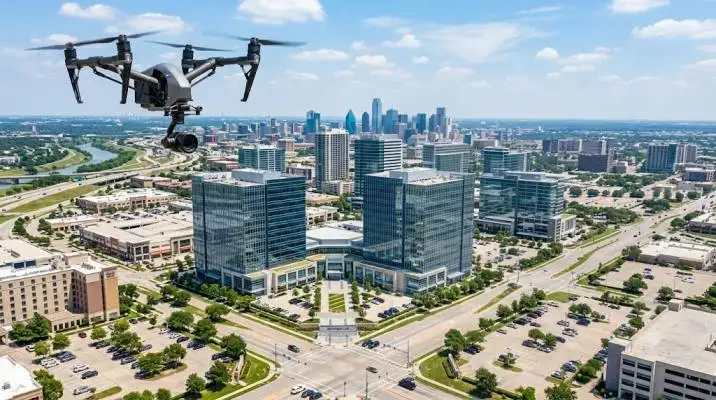
Commercial Real Estate Drone Photography: Key Benefits
I shot my first commercial drone job in 2019 for a self-storage facility outside Portland. The owner paid me $250. I showed up with one battery, no shot list, and a drone I had barely flown.
What I learned that day changed how I think about this work. Commercial real estate drone photography is not about owning a drone. It is about knowing what a buyer needs to see before they write an offer.
That storage owner called me back six months later. This time he had a list. Truck entry. Roof. Signage visibility from the highway. We got all of it in forty minutes. He sold the property three weeks later. Same drone. Better plan.
How to Choose the Best Commercial Real Estate Drone Photography 2026?
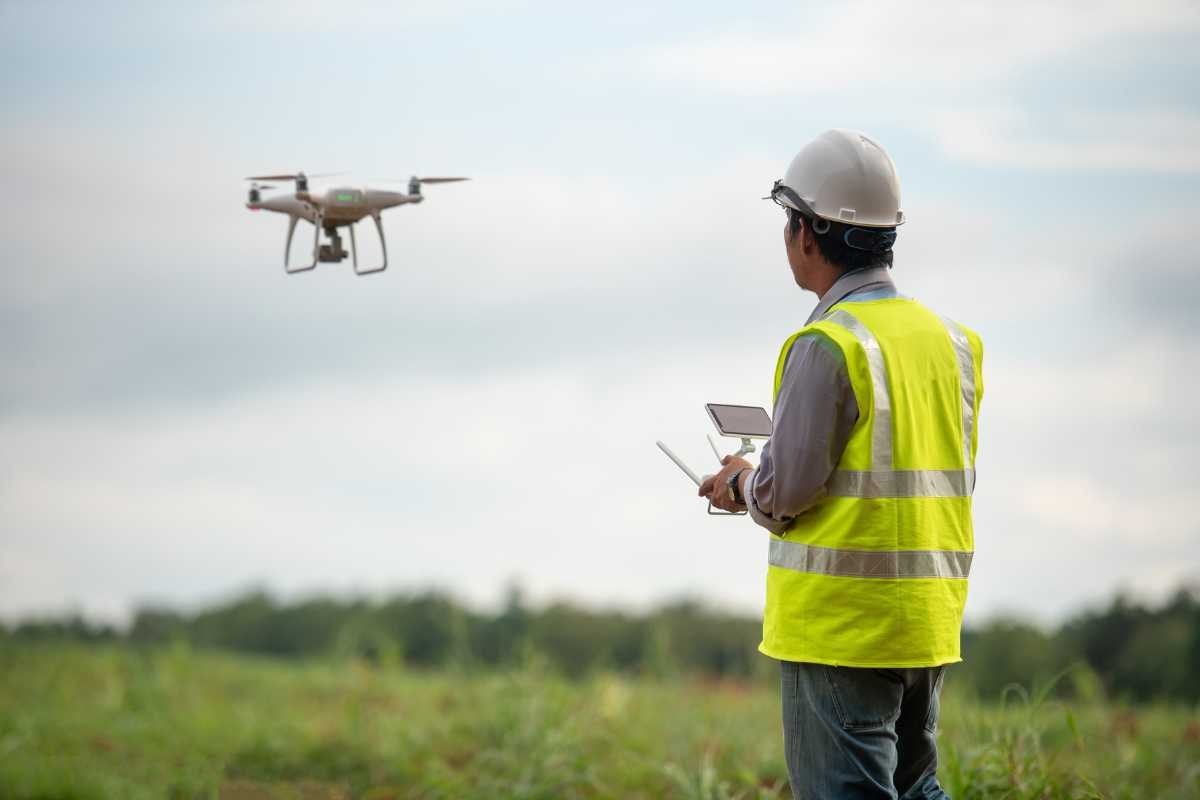
Homes sell on feeling. A kitchen with good light makes someone fall in love. Commercial buildings do not work that way. A buyer looking at a warehouse wants numbers. Clear height. Dock doors. Turning radius. Trailer parking. You cannot show any of that from the ground. A photo of a front door tells them nothing.
Read Also: The Best Drone Photography Services Near You | Prices And Packages
I watched a 38,000-square-foot flex industrial building sit for eleven weeks in Medford, Oregon. The listing had one aerial shot. Straight down. Flat roof. Some asphalt. That was the whole visual story.
The seller hired a different operator. New shots showed the loading area, the roof condition, and the distance to I-5. Contract signed in eighteen days.
Same building. Same market. Different pictures. That gap is the entire argument for doing this right.
What Buyers Actually Look For in Aerial Shots?
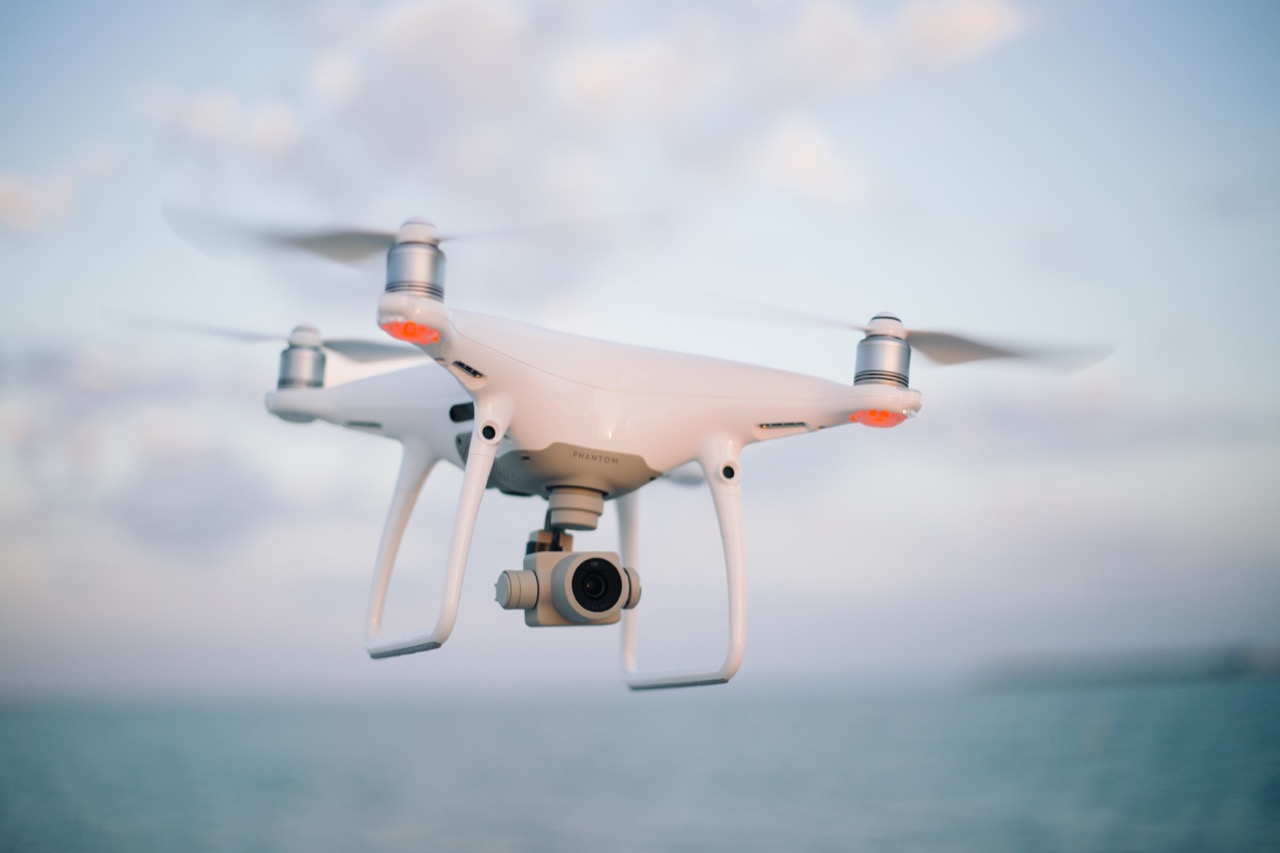
Most drone operators deliver the same package. They fly a circle. They hand over twenty images. The broker picks two. The rest never get seen.
A shoot that actually helps a sale covers these things:
Every Way In and Out
Trucks need room. Vans need room. Employees need room. Aerial views show how traffic flows through the site. Ground photos hide all of it.
The Roof
Commercial buyers worry about roof replacement costs. A roof can run six figures on a big building. If you hide it, they assume it is bad. If you show it clearly, you control the conversation.
Where the Property Sits?
Distance to highways. Neighboring businesses. Nearby development. A building does not exist alone. Aerial shots show its place in the market.
Parking Layout
Office and retail tenants care about parking ratios. An overhead view shows stall counts and traffic flow at a glance. No guessing.
The Benefits That Hold Up in Real Deals
You will read plenty of lists that sound good but mean nothing. Here are the ones I have watched play out.
You Must Also Like: How to Start a Tourist Drone Photography Business in Texas?
Buyers Self-Qualify Faster
A good aerial set tells the wrong buyer to walk away. That saves everyone time. If someone needs dock-high doors and your building has grade-level only, they see it in the first photo. No wasted tour.
You Control the Narrative Early
When the roof is visible and the lot is clear, nobody can claim surprise later. Buyers who feel tricked ask for credits. Buyers who see everything upfront negotiate fair. Big difference.
Visuals Travel Further
Aerial images get shared. Investor groups pass them around. Social feeds pick them up. Google Discover favors visuals that stop the scroll. One strong aerial shot can bring inquiries you never expected.
Cost Compared to Old Methods
Before drones, aerial commercial work meant a helicopter. That ran thousands per hour. A drone costs a few hundred for most jobs. Similar angles. Way less money.
Where This Tool Falls Short?
Honest talk means naming the problems.
Wind grounds you. Most drones stop flying around 20 mph. Rain stops them too. If your timeline is tight, build in backup days. I have lost two shoots to Oregon weather this year alone.
Battery life is short. Twenty-five to forty-five minutes per charge is normal. Big sites need multiple batteries. That adds time. Budget for it.
FAA rules are real. Commercial drone work needs a Part 107 license in the US. Flying near airports or over people needs extra approval. Never hire someone who skips this. It puts your deal at risk.
Interiors need a different tool. Drones cannot show a lobby or an office suite. You still need a ground photographer. Plan for both.
Operator skill varies a lot. A cheap drone with a small sensor makes noisy, soft images. That kills a high-end listing. Sensor size matters. So does editing skill.
How to Pick the Right Operator?
This is where people get burned. Price shopping alone leads to bad results.
Ask for the Part 107 Certificate
No certificate means no legal commercial flight. Ask to see it. If they hesitate, move on.
Look at Commercial Samples Only
Residential drone photos look different from commercial ones. Ask for industrial, office, and retail examples. If they only show houses, keep looking.
Confirm Insurance
Liability coverage protects you if the drone hits something or someone. Ask for a certificate of insurance. Do not skip this step.
Build a Shot List Together
Tell them what you need. Entrances. Roof. Parking. Context. A good operator plans the flight around your goals. A bad one shows up and wings it.
Get Raw Files in Writing
Some operators hold raw images hostage. You pay for the shoot but only get edited JPEGs. Push for raw files or high-resolution edited files with full usage rights. Put it in the contract.
Matching Gear to the Job
Not every property needs the same drone.
Small retail or office under 10,000 sq ft: A mid-range drone like a DJI Air 3 works fine. Good sensor. Simple workflow. Lower cost.
Trending Post: Best DJI Mavic Air 2 Fly More Combo: Ultimate 4K Drone Kit
Large industrial or multi-building sites: You want a bigger sensor and longer flight time. The Mavic 3 Pro handles this well. Better dynamic range. Sharper detail.
Marketing-heavy listings: Hire someone who also shoots video. A short aerial clip often beats stills on social media. It shows flow and access in motion.
Dense urban sites: Obstacle avoidance matters. Tight areas need a drone with solid sensors and a pilot who knows local airspace rules.
What Is Changing Right Now in 2026?
A few shifts are moving this work as we speak.
AI editing is everywhere but risky. Some operators use AI to clean skies or remove clutter. That can cross into fake imagery. Buyers notice. Keep edits honest.
Buyers want 3D tours plus aerial. A drone shoot alone is not enough for larger assets. Pair it with interior 3D scanning for full coverage.
Google Discover rewards story-driven visuals. Listings with strong aerial sets and clear captions get more pickup. Write captions that explain what the viewer sees. Do not just write "aerial view."
Airspace is getting crowded. Drone delivery and security flights compete for space in some metros. Book earlier than you used to.
Mistakes That Waste Real Money
I see these repeat across markets.
Hiring the cheapest operator. You get soft images, missed angles, and no insurance. Then you pay twice to fix it.
Skipping the shot list. The pilot guesses. You get generic footage that answers nothing.
Hiding the roof. Buyers assume the worst when they cannot see it. Show it or lose trust.
Forgetting context shots. A building floating in a frame tells no story. Show the road. Show the neighbors. Show the access.
Using top-down shots only. Vertical images confuse viewers. Use angled shots that show height and depth.
FAQ's- About Drone Pictures for Real Estate
How much does commercial real estate drone photography cost?
Most jobs run $300 to $800 depending on site size and deliverable count. Large industrial campuses with video can hit $1,500 or more.
Do I need a licensed pilot?
Yes, for any commercial use in the US. Part 107 is the baseline. Some states add their own rules.
Can drones fly at night?
Only with special waivers and proper lighting. Most commercial shoots happen in daylight.
How long does a shoot take?
One to three hours on site for most properties. Editing adds a few days.
Will drone photos help my listing?
Yes, when done well. They speed up buyer qualification and cut down on surprise disputes. Bad aerial photos do nothing.
The Final Thoughts
Commercial real estate drone photography works when it answers real questions. It fails when it is treated as decoration. Hire a licensed, insured operator. Give them a clear shot list.
Ask for roof, access, parking, and context coverage. Get raw files. Skip the hype and focus on what buyers need to see. Do those things and drone pictures for real estate stop being a checkbox item.
They become a deal tool. That is the difference between eleven weeks on market and eighteen days under contract. I have seen both. The drone did not change. The plan did.