


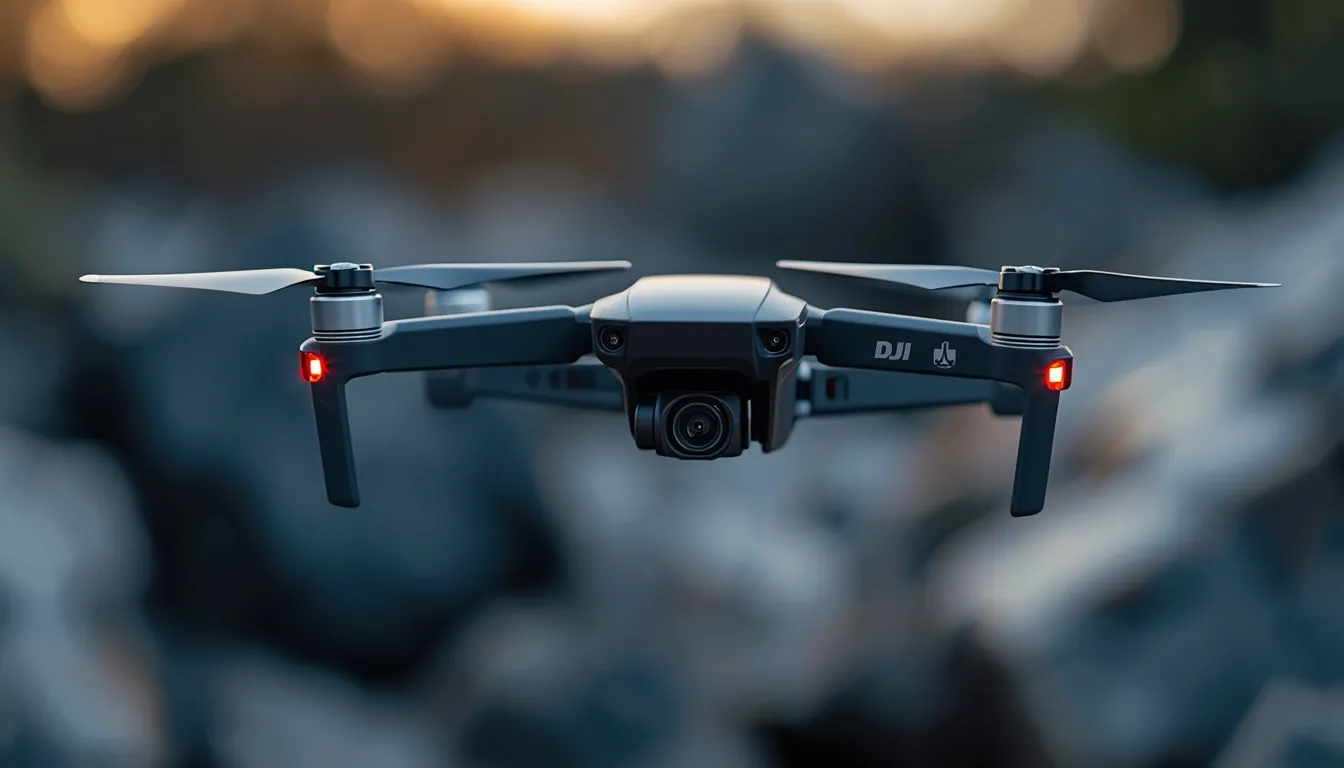
DJI Spark Flight Modes Explained: Smart, Quick & More Guide
I still keep in mind the to begin with time I flew the DJI Spark. It was little, uproarious, and truly a small scaring for something that fit in my rucksack. But once I begun utilizing its shrewd highlights, everything clicked.
The Spark wasn’t attempting to be a master cinema ramble. It was attempting to make flying straightforward and fun. That’s where DJI Spark Flight Modes come in.
If you possess a Spark, are considering approximately buying one utilized, or are fair inquisitive how it stacks up against more up to date rambles, this direct will clear things up. No cushion. Fair real-world utilize, botches I’ve made, and what really works when the ramble is in the air.
Why Flight Modes Matter on the DJI Spark?

The Spark doesn’t depend on crude control. It depends on automation. Most individuals who crash early do it since they overlook flight modes and attempt to fly physically all the time.
Read Also: DJI Spark Drone Fly More Combo: A Complete Guide for Beginners
The Spark sparkles when you let it do a few of the considering for you. DJI built these modes to help apprentices get steady shots without a long time of flying involvement. Indeed nowadays, they hold up shockingly well.
Overview of DJI Spark Flight Modes
When people talk about flight modes DJI Spark, they usually mean three main categories:
-
Intelligent Flight Modes
-
QuickShot modes
-
Standard manual flying modes
Each one serves a different purpose. Some are for learning. Some are for creative shots. Some are for full control. Let’s break them down the way you’ll actually use them.
Intelligent Flight Modes (the heart of the Spark)
This is where the Spark feels smart instead of stressful.
ActiveTrack
ActiveTrack is one of the reasons the Spark got to be so popular. You select a subject on your phone screen, and the drone takes after it. Strolling, biking, moderate running. It works best in great light with clear contrast.
I’ve utilized ActiveTrack on climbs and shoreline strolls. It’s not idealize, but when it works, it feels like enchantment. Fair don’t believe it around trees or crowds.
TapFly
TapFly is underrated. You tap a spot on your screen, and the Spark flies there whereas avoiding deterrents in front. This is awesome for smooth forward shots without fiddling with sticks.
It’s particularly valuable for apprentices who haven’t aced relentless development yet.
Gesture Mode
Gesture Mode is half fun, half party trick. You can dispatch the drone from your palm, control it with hand developments, and take selfies with signals. It’s noteworthy to appear friends. It’s moreover useful when you don’t need to drag out your phone.
I wouldn’t depend on it for genuine flying, but it’s a interesting Spark include that still feels cool.
Quickshot Modes Clarified (These Are Swarm Favorites)
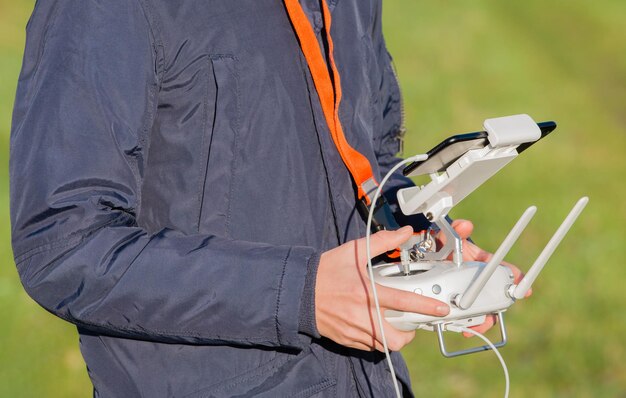
QuickShots are pre-programmed cinematic moves. You choose a mode, select a subject, and the drone does the rest. This is where apprentices get film that looks way more progressed than their ability level.
You Must Also Like: 5 Ways to Boost DJI Spark Camera Quality
Dronie
The classic shot. The Spark flies in reverse and upward whereas keeping the camera bolted on you. Idealize for travel shots and wide landscapes. I’ve utilized this more than any other mode. It’s basic and effective.
Circle
The drone flies in a circle around the subject. This one needs space. Trees, posts, and wires can demolish it quick. When done right, in spite of the fact that, it includes a proficient see to videos.
Helix
Helix is like Circle but with altitude. The Spark spirals upward whereas pivoting around you. It looks astonishing in open areas or shorelines. I dodge using it in tight spaces.
Rocket
Straight up. Camera confronting down. Rocket shots are emotional, but they require strong GPS flag. Wind can mess with it more than individuals expect.
Manual Flight Modes (Where Ability Still Matters)
Even with shrewd highlights, in some cases you need full control. The Spark’s manual flying is steady but not forceful. It’s not a dashing ramble. It’s smooth and unsurprising, which is great for learning.
Sport Mode gives you more speed but disables impediment evasion. That’s imperative to keep in mind. I’ve seen more crashes in Sport Mode than anyplace else. Use it in open regions only.
Can I Fly My DJI Spark at Night?
This address comes up a lot. Technically, yes. Essentially, it’s not a incredible idea. The Spark depends intensely on visual sensors for soundness and following. At night, those sensors battle. GPS makes a difference, but deterrent avoidance gets to be unreliable.
I’ve flown at sunset. Early evening is fine. Full obscurity? I wouldn’t prescribe it unless you truly know what you’re doing. If night flying things to you, more current rambles handle it better.
Battery Life and What to Expect in Genuine Use?
DJI promotes better than average flight times, but genuine life is different. With the DJI Spark intelligent flight battery, anticipate around 12–14 minutes of secure flying. Wind, cold, and forceful flying decrease that fast.
I continuously tell individuals to arrive at 25–30%. Pushing it lower dangers constrained landing. As for DJI spark intelligent flight battery cost, substitution batteries are not cheap, particularly presently that the Spark is ceased. If you’re buying utilized, make sure batteries aren’t worn out.
DJI Spark MM1A Price: Is it Still Worth It?
The Spark (model MM1A) is no longer unused, so estimating shifts a lot. The DJI Spark MM1A cost on the utilized showcase depends on condition, battery wellbeing, and embellishments.
If you discover one at a sensible cost with additional batteries, it can still be a fun entry-level drone. Just don’t overpay. Innovation has moved on.
Spark vs More up to Date DJI Drones
People frequently inquire me if they should get a Spark or something like the DJI Mavic Mini 1 Fly More Combo. Here’s the genuine comparison. The Spark:
-
Feels playful
-
Has unique gesture controls
-
Is heavier and louder
The Mavic Mini:
-
Better camera
-
Longer battery life
-
Quieter and more stable
If flight modes and fun matter, Spark still holds charm. If image quality and flight time matter, the Mini wins.
Common Mistakes New Spark Pilots Make
I’ve made most of these myself.
-
Flying too close to obstacles with QuickShots
-
Trusting ActiveTrack in crowded areas
-
Ignoring wind warnings
-
Flying until battery hits critical
The Spark is forgiving, but it’s not invincible.
Tips to Get Better Results With DJI Spark Flight Modes
Here’s what helped me the most.
-
Fly in open spaces first
-
Practice each mode separately
-
Watch how the drone reacts before pushing limits
-
Keep firmware updated
Small habits make a big difference.
Who the DJI Spark Is Still Good for
Despite its age, the Spark still fits certain users well. It’s good for:
-
Beginners who want smart features
-
Casual travelers
-
People learning drone basics
It’s not ideal for:
-
Professional videographers
-
Long-distance flying
-
Night filming
Knowing that saves disappointment.
Real Buying Advice, No Hype
If you already own a Spark, learn its modes. You’ll enjoy it more and crash less. If you’re buying used, check:
-
Battery health
-
Gimbal stability
-
Motor noise
If you’re choosing between Spark and more up to date drones, think long-term. Flight modes are fun, but camera quality and battery life matter more over time.
Final Thoughts
The DJI Spark Flight Modes were ahead of their time. Indeed presently, they’re instinctive and beginner-friendly. The Spark instructed a part of individuals how to fly without fear. It made drones feel available instep of intimidating.
It’s not idealize. It’s not advanced. But when you get it what it’s great at, it still conveys a shockingly pleasant flying experience. And truly, that’s why individuals still conversation almost it nowadays.